Staying Healthy This Flu Season: Insights on the Seasonal Flu Virus in the UK
As winter approaches in the UK, the seasonal flu virus becomes a significant public health concern. The NHS notes that from October to March, flu activity typically increases, leading to a substantial rise in hospital admissions, particularly among vulnerable groups such as the elderly, young children, and individuals with underlying health conditions. According to the UK Health Security Agency (UKHSA), recent flu seasons have seen hospitalisation rates reach approximately 603 per 100,000 people aged 65 and above, highlighting the importance of preventive measures.
The impact of seasonal flu on public health is considerable. Complications from influenza can result in pneumonia, bronchitis, and worsening of chronic illnesses, all of which increase the burden on the healthcare system and can lead to longer hospital stays. With the added stress on the NHS, it’s essential for individuals and communities to adopt strategies that reduce flu transmission and associated hospital admissions.
Practical Tips to Avoid Flu Infection
- Get Vaccinated: The most effective way to prevent flu infection is to get the annual flu vaccine. The vaccination is available for free from the NHS for vulnerable groups, including those over 65, pregnant women, and individuals with chronic health conditions. By ensuring that you and your loved ones are vaccinated, you contribute to community immunity. Check with your local pharmacy about your eligibility for the free flu vaccination.
- Practice Good Hygiene: Regular hand washing with soap and water for at least 20 seconds or using hand sanitiser can significantly reduce the spread of germs. Encourage others, especially in public spaces, to practice proper hand hygiene.
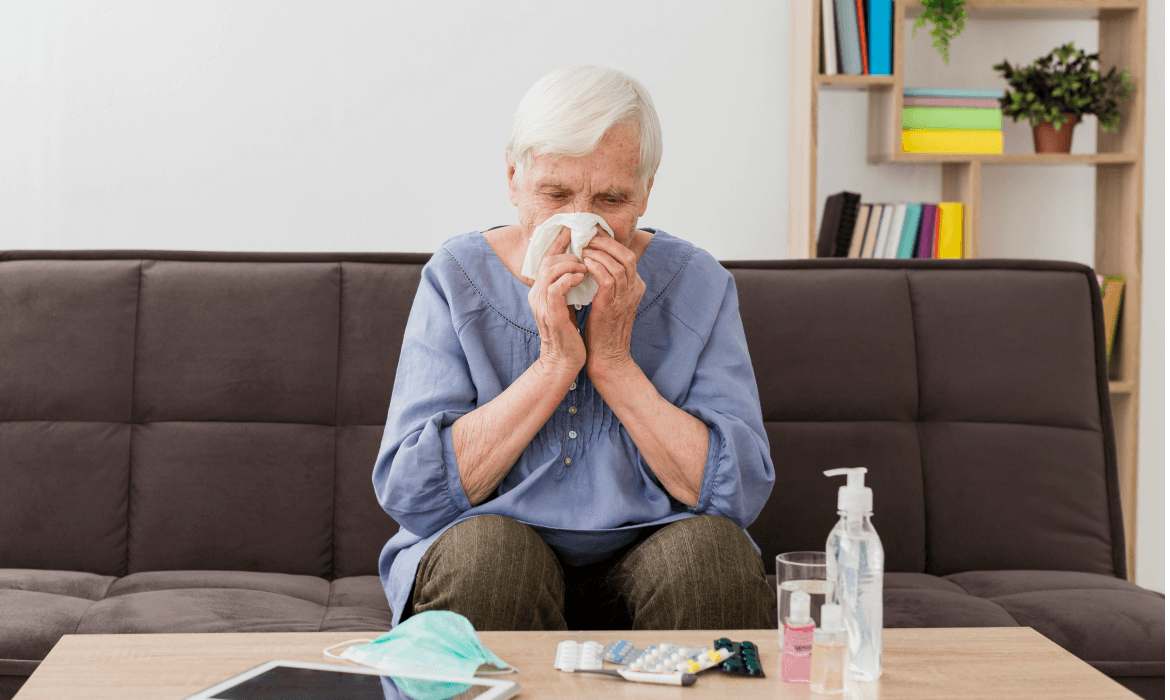
- Adopt Respiratory Etiquette: Cover your mouth and nose with a tissue or your elbow when coughing or sneezing. Dispose of used tissues immediately and wash your hands afterward to limit the virus’s spread.
- Maintain Social Distance: Minimise close contact, particularly with individuals showing flu-like symptoms. Staying home when unwell can help prevent infecting others.
- Boost Your Immune System: Support your overall health by eating a balanced diet, staying hydrated, getting regular exercise, and ensuring you get enough sleep.
Accessible Transportation and Doorstep Vaccination Services
For many vulnerable adults and individuals with disabilities, accessing healthcare services, including vaccinations, can be challenging. This is where accessible transportation and doorstep vaccination initiatives play a crucial role.
- Accessible Transportation: Ensuring that public and private transport systems accommodate individuals with mobility issues can make a significant difference. Providing dedicated services for those who need assistance can help them reach vaccination sites or healthcare appointments, promoting higher vaccination rates in vulnerable populations.
- Doorstep Vaccination Services: Implementing home vaccination programs allows healthcare providers to visit individuals who may struggle to travel, such as the elderly or those with disabilities. This service not only enhances convenience but also ensures that no one is left behind in accessing essential healthcare services.
By understanding the risks associated with the seasonal flu and implementing preventive measures, we can protect ourselves and our communities. Accessible transportation and doorstep vaccination services are crucial to facilitating healthcare access for vulnerable groups, ultimately leading to improved public health outcomes.
As the festive season approaches, don’t let the flu take away your joy. Let’s prioritise vaccination and public safety while empowering all members of our community to live healthier, safer lives. Together, we can combat the seasonal flu and ensure that everyone has the chance to thrive, regardless of their circumstances.